
If you have used more than one pair of headphones, you have probably noticed this before. They look similar, cost about the same, and all claim great sound quality. Yet once you put them on, one sounds forgettable while the other pulls you into the music. That difference is not accidental. It usually comes down to how the sound is tuned and whether the product is designed for real listening situations.
This is one of the reasons 1MORE has gradually built a strong reputation among everyday listeners and audio enthusiasts around the world.
TL;DR
-
Sound quality depends on tuning, not just technical specs
-
Balanced sound matters more than exaggerated bass
-
Comfort directly affects how sound is perceived
-
Many brands ignore real-world listening scenarios
-
1MORE focuses on clarity, balance, and long-term comfort
Good Sound Is About Balance, Not Gimmicks
To grab attention, many headphones deliberately boost bass or push high frequencies. At first, this can sound exciting. Over time, however, listening becomes tiring, music feels crowded, and details disappear.
Truly good audio products focus on balance. Bass, mids, and highs work together. Vocals sound natural, instruments have space, and listening remains comfortable even over long sessions. Many people searching for balanced-sounding headphones eventually realise that clean tuning matters far more than loudness.
This philosophy is reflected in the sound direction of certain brands. Instead of chasing short-term trends, they aim for sound that works across different content, whether it is podcasts, acoustic music, or electronic tracks, with consistent results.
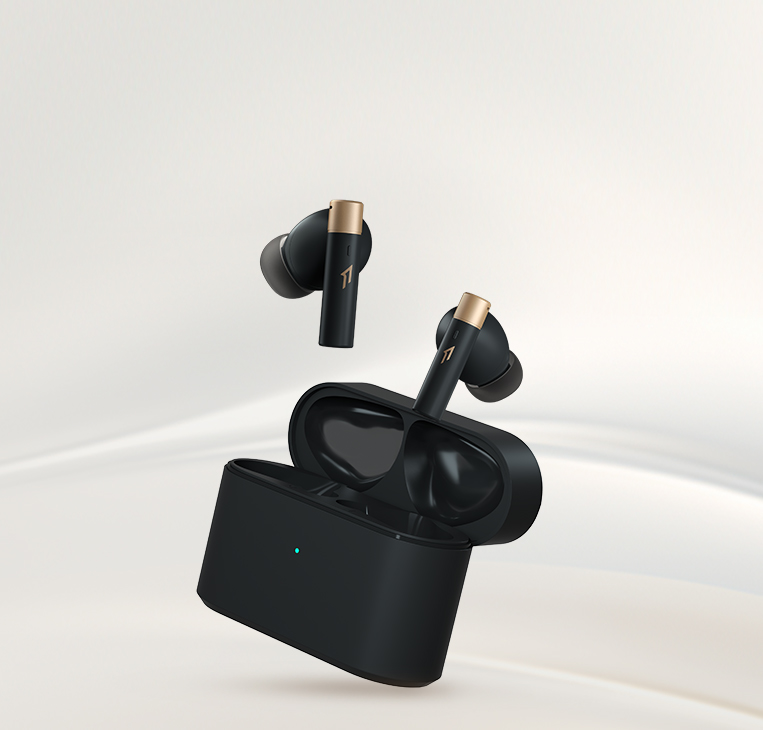
Tuning Matters More Than Specs
Product pages are often filled with technical terms such as driver types, codecs, and frequency response ranges. While these details matter, they do not guarantee good sound on their own.
What truly defines the listening experience is tuning. Some manufacturers work closely with professional audio engineers to carefully shape sound, aiming for realism and clarity. This approach usually results in a more natural listening experience, especially for people who care about detail rather than dramatic effects.
Listeners who value sound quality often notice the difference immediately. Vocals sit forward, instruments have space, and nothing feels congested or overwhelming.
Comfort Changes What You Hear
Comfort is often underestimated, yet it directly affects sound quality. Poor fit leads to sound leakage, weak bass, and constant readjustment. Even the best tuning cannot compensate for uncomfortable design.
Well-designed headphones stay secure without creating pressure and maintain proper sealing. This improves comfort and sound at the same time. People who travel frequently or work long hours often prioritise comfortable wireless headphones because they wear them for extended periods.
Thoughtful housing design, lightweight materials, and multiple ear tip options make a noticeable difference during long-term use.
Designed for Real Listening, Not Just Quick Demos
Many headphones are built to impress during short listening tests rather than everyday use. Heavy bass may sound powerful in a store, but over time it masks detail and becomes fatiguing.
Better audio products focus on long-term listening. They perform consistently at different volumes, adapt to various music styles, and remain comfortable even after hours of use. This matters especially for commuters, office workers, and anyone who wears headphones throughout the day.
As a result, many people choosing true wireless earbuds end up valuing stability over short bursts of excitement.
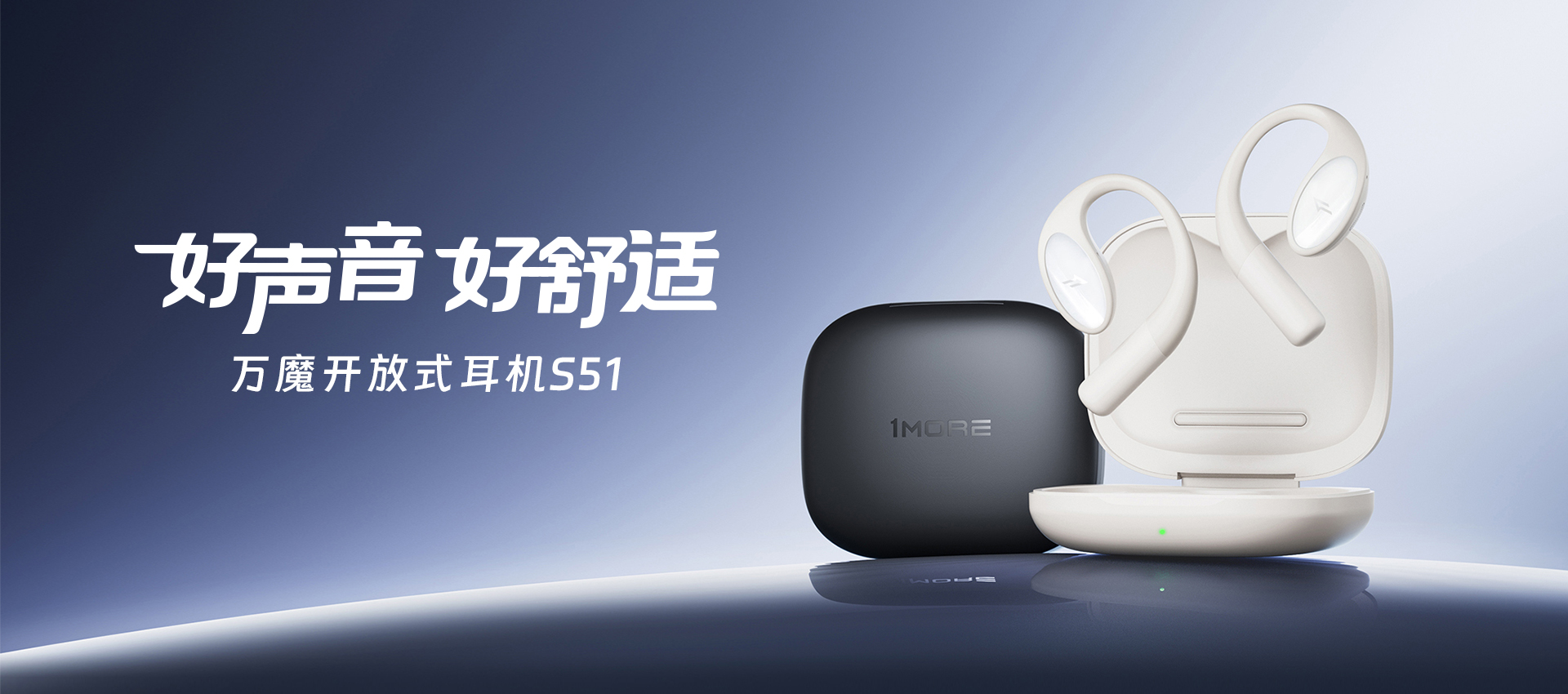
More Than Just Music
Sound quality does not only affect music. It also impacts calls, videos, and podcasts. Clear mids and controlled highs significantly improve call quality, which is crucial for people who rely on online meetings or frequent voice communication.
When audio remains clean and undistorted for spoken content, headphones become far more practical in everyday life. This is something many users only fully appreciate after extended use.
A Different Way to Understand Audio
In the end, good sound is not about following trends. It comes from understanding how people actually listen. Brands that invest in tuning, comfort, and real-world usability often stand out quietly rather than loudly.
If you have ever wondered why some headphones sound more natural and remain enjoyable over time, the answer usually lies in balance, design details, and respect for the listening experience itself.

Bringing Listening Back to What Matters
Choosing headphones is a personal decision, but understanding what truly affects sound quality makes the process easier. When sound is clear, fit is comfortable, and performance remains consistent, listening becomes a pleasure rather than something you need to adjust to. That is the difference between ordinary headphones and the pair you reach for every day.

Oliver Grant
Oliver Grant writes about intentional living, mindset, and personal growth with a clear, grounded perspective. Through thoughtful reflection and practical insight, he explores ways to live with more clarity, balance, and purpose in everyday life.